Release Date Patterns Influencing Category Evolution in Registration-Free HD Movie Services
Anna Simon · Nov 19, 2026
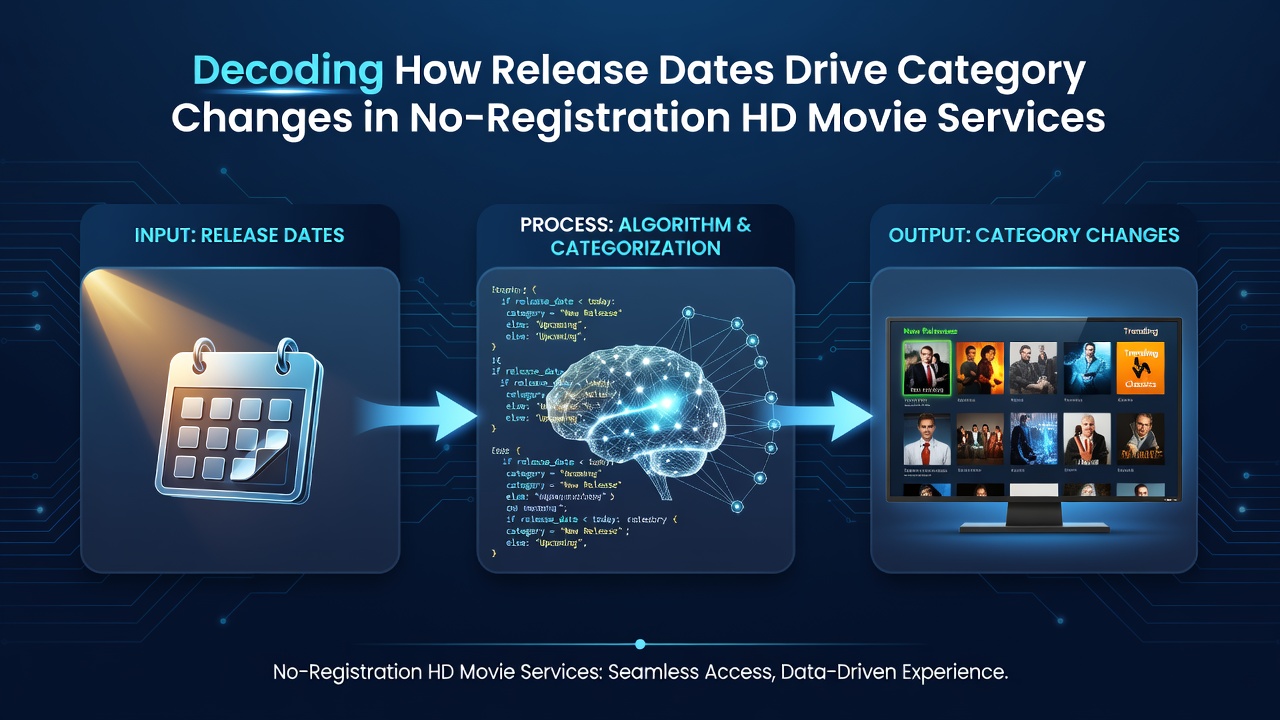
Release Date Patterns Influencing Category Evolution in Registration-Free HD Movie Services
Release dates serve as key triggers that reshape how films move through categories on registration-free HD streaming services, and data from multiple platforms shows consistent patterns where new titles enter featured sections before migrating to genre-based groupings. Observers note that services without login requirements often refresh their navigation structures within days of major studio launches, which creates measurable shifts in viewer pathways during peak periods like November 2026.
Category Systems and Their Structure
Registration-free platforms organize content through dynamic labels that include new arrivals, trending selections, and established genre buckets, and these systems respond directly to incoming release schedules because fresh titles generate initial traffic spikes that prompt reclassification. Researchers have documented how a film debuting in early November typically occupies a prominent new-release slot for seven to ten days before algorithmic adjustments move it into action or drama sections based on accumulated watch-time metrics. Those who've studied platform behavior find that such transitions occur faster on ad-supported services compared to subscription models because the absence of accounts limits personalization and relies more on broad category updates.
How Release Timing Drives Shifts
Film release dates align with category changes because distributors coordinate wide availability windows that coincide with marketing campaigns, and platforms respond by elevating titles in high-visibility areas until viewership data indicates saturation. Evidence from tracking studies reveals that a title released mid-month often triggers immediate category expansion in related sub-genres, such as adding a science-fiction release to both adventure and thriller sections within the first week. But here's the thing: delays in release schedules, whether from production setbacks or strategic holds, cause platforms to hold older films longer in featured positions, which slows overall category turnover and affects how subsequent releases integrate.
Observed Patterns in Recent Cycles
Analysis of November 2026 activity on several account-free HD services shows that blockbusters arriving on the first Friday of the month prompted category reorganizations by the following Monday, with multiple titles shifting from premiere highlights to specific genre clusters. Data indicates that viewer engagement metrics collected during this window influenced how services balanced holiday-themed collections against standard genre offerings, leading to temporary merges where action films appeared alongside seasonal selections. Experts tracking these movements report that shorter release gaps between studio films accelerate category cycling, whereas staggered schedules allow longer stays in discovery sections before migration occurs.
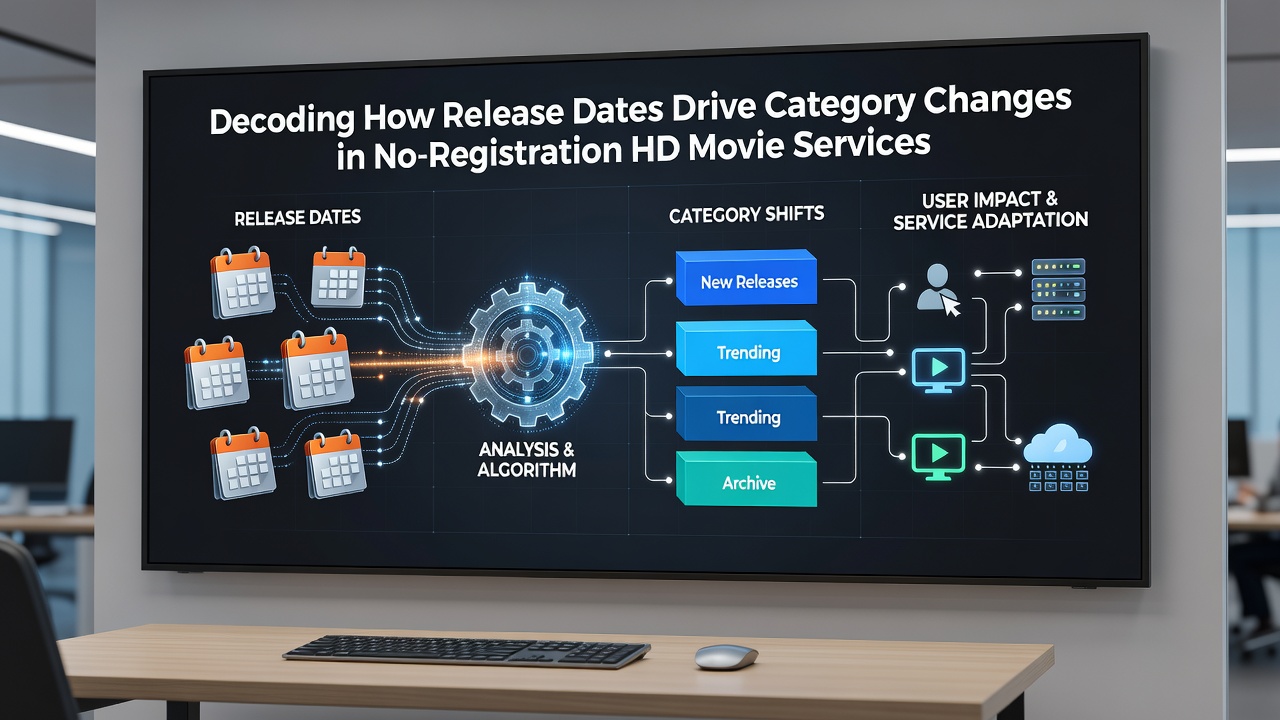
Viewer Selection and Platform Response
Account-free environments display category changes through homepage rotations and menu updates that reflect release momentum, and studies from the Canadian Radio-television and Telecommunications Commission highlight how timing influences the visibility duration of new content. Platforms adjust labels such as "just added" or "studio spotlight" based on the volume of titles arriving in a single week, which creates ripple effects where established genres receive fewer slots until the initial wave settles. Research indicates that when multiple releases cluster around the same date, services tend to consolidate categories temporarily to accommodate volume without overwhelming navigation.
Classification Methods and Timing Factors
Content classification on these services incorporates release metadata alongside performance indicators, and observers note that platforms apply genre tags progressively as films accumulate hours watched rather than assigning them immediately upon upload. A title entering the system in late November may start in a broad new-arrivals area before receiving refined labels once regional viewership patterns emerge. Figures from industry reports show that release date proximity to holidays extends the time certain films remain in cross-category placements, because services extend promotional windows to capture seasonal traffic.
Conclusion
Release dates function as structural drivers that determine when and how films transition across categories on registration-free HD platforms, with documented patterns showing faster migrations during clustered release periods and extended visibility during slower cycles. Platforms rely on timing data to maintain navigation relevance, and ongoing analysis continues to map these relationships across different service models.