Transformations in Discovery Techniques Across Advertisement-Financed Streaming Platforms
Anna Simon · Sep 24, 2026
Transformations in Discovery Techniques Across Advertisement-Financed Streaming Platforms
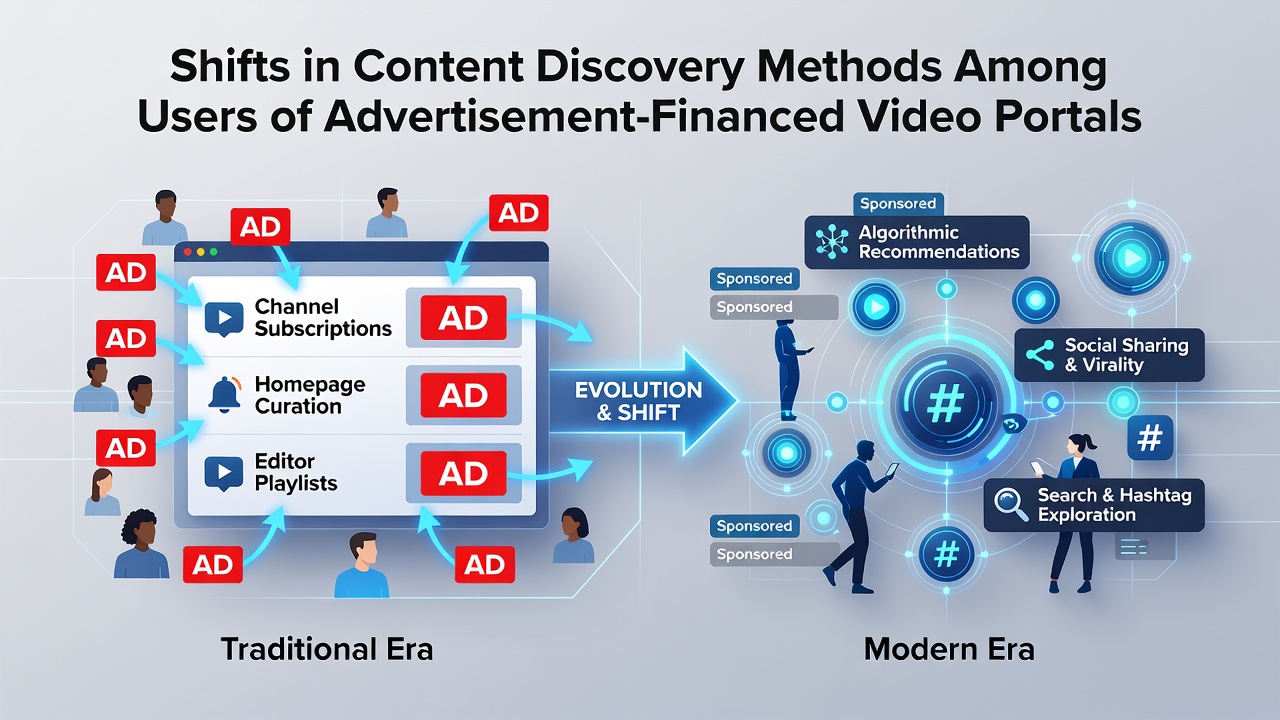
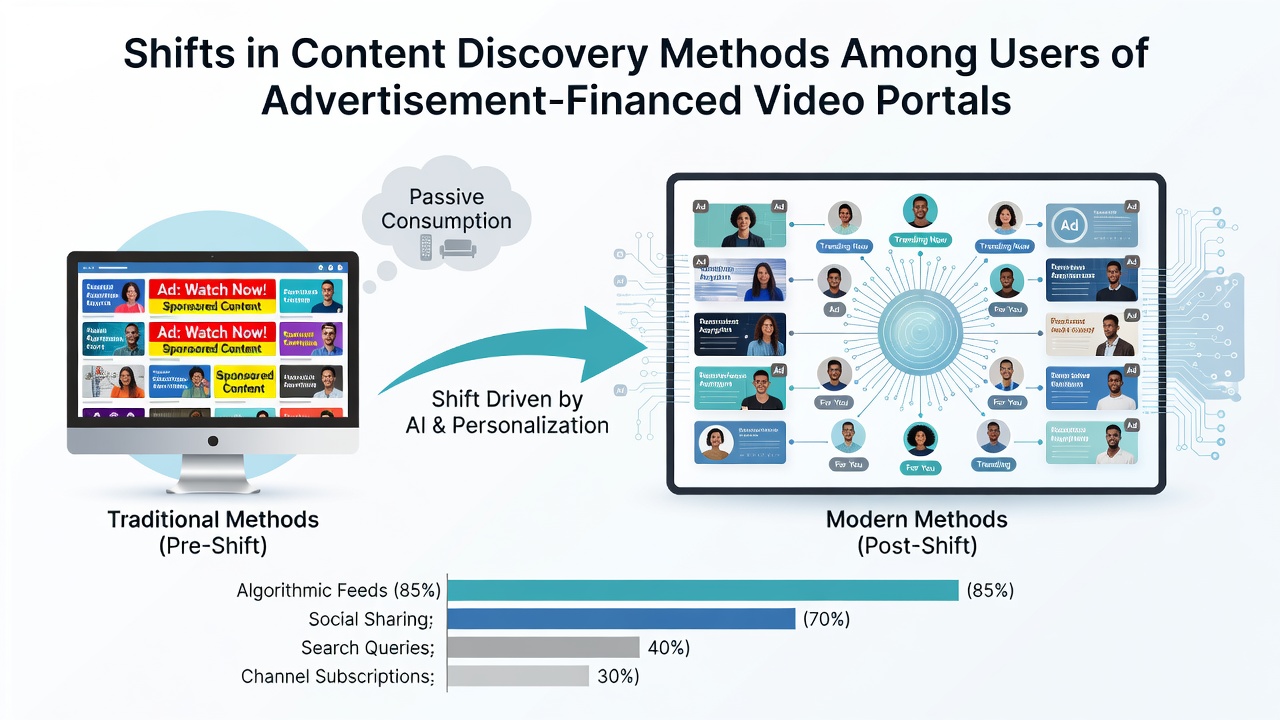
Advertisement-financed video portals have experienced notable changes in the ways audiences locate material since the early 2020s, with platform operators adjusting algorithms and interface elements to match evolving user habits. Data collected through September 2026 shows that traditional keyword searches now account for a smaller share of initial interactions compared with earlier periods, while algorithmic suggestions and visual browsing tools have gained prominence according to industry tracking services.
Early Reliance on Search Functions
Viewers once depended heavily on search bars and category lists when first accessing ad-supported services, a pattern documented in reports from multiple regions. Researchers at the University of Melbourne noted that manual queries often led users directly to specific titles or genres, yet this approach required more active input from individuals who preferred quicker access points. Platform analytics from that era revealed higher bounce rates when search results failed to align precisely with expectations, prompting developers to refine autocomplete features and related-term suggestions.
Rise of Algorithmic Recommendations
By mid-decade, recommendation engines began driving a larger portion of content selections, as companies integrated user history, time-of-day patterns, and device data into their systems. Studies from the European Audiovisual Observatory indicate that personalized rows now surface content before users enter any query, reducing the steps needed to reach playable material. This shift coincided with improvements in machine learning models that predict preferences based on partial viewing sessions rather than completed watches, allowing services to present options that align with momentary moods instead of long-term tastes.
Visual and Thumbnail Influences
Thumbnail design has emerged as a critical factor in discovery, with platforms testing variations in color, text overlay, and motion elements to capture attention during scrolling sessions. Observers note that users frequently make selections within the first few seconds of viewing a grid, a behavior tracked through heat-map studies conducted by research teams in Canada and Australia. Services have responded by rotating multiple thumbnail versions for the same title, measuring click-through rates to determine which images perform better across different demographics and regions.
Integration of Social and External Signals
External platforms now feed into discovery loops more directly, as users arrive via shared clips or mentions on social networks rather than through direct app opens. Figures from the Australian Communications and Media Authority show that referral traffic from messaging apps and short-video sites increased steadily through 2025 and into September 2026, altering how operators allocate promotional resources. Some portals have added shareable preview clips optimized for external distribution, while others embed discovery prompts within their own social features to retain attention internally.
Voice and Mobile-Specific Pathways
Mobile interfaces introduced voice search and gesture-based navigation as additional entry points, particularly among users who access services during commutes or while multitasking. Data compiled by regulatory bodies in North America highlights that voice queries often produce broader category results rather than exact matches, leading platforms to refine natural-language processing to handle conversational phrasing more accurately. Gesture controls, such as swipe-to-skip within recommendation carousels, have shortened the time between landing on a page and beginning playback, according to interface testing conducted by multiple service providers.
Impact of Device Diversity on Discovery
Television screens, tablets, and smartphones each present distinct discovery environments, with larger displays favoring grid layouts and smaller ones emphasizing sequential recommendations. Analysts tracking usage patterns through September 2026 found that cross-device continuity features, which resume browsing sessions across hardware, helped maintain engagement levels when users switched contexts. This continuity reduced the need to restart searches from scratch and encouraged longer overall platform sessions without increasing advertising load.
Conclusion
Shifts in content discovery on advertisement-financed video portals continue to reflect broader changes in technology adoption and user expectations, with platforms adapting interfaces and algorithms to match observed behaviors. Tracking through September 2026 demonstrates ongoing experimentation with visual cues, external referrals, and predictive tools as operators seek to balance viewer retention against advertising delivery requirements. These developments remain documented through ongoing studies from academic institutions and regional authorities worldwide.